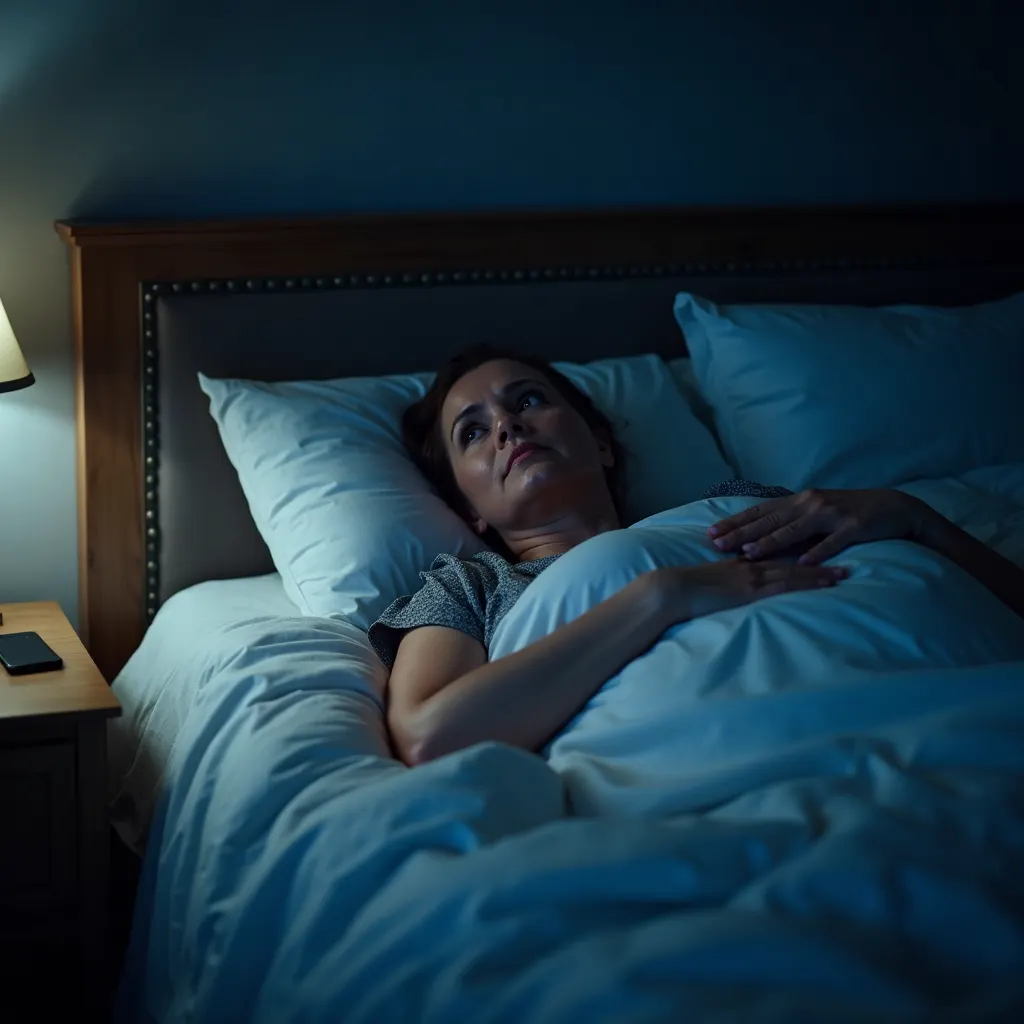
It is 3 a.m. and your heart is doing something you did not authorize. Racing. Skipping. Fluttering. Pounding hard enough that you can feel it in your ears. You are lying in bed, perfectly still, and your heart is acting like you just sprinted up a flight of stairs.
You Google it. The results say two things simultaneously: "common during perimenopause" and "seek immediate medical attention." These are not compatible pieces of information at 3 a.m.
Here's what's actually happening, how to tell whether it's hormones or something that needs a doctor right now, and what you can do about it.
Why perimenopause causes palpitations
Estrogen affects your cardiovascular system, specifically by influencing how your blood vessels dilate and constrict and how the electrical signaling that controls your heart rhythm behaves. When estrogen levels fluctuate during perimenopause, your heart can respond in ways that feel alarming but are often benign.
The mechanism: estrogen helps regulate the autonomic nervous system, which controls heartbeat. When estrogen drops, the sympathetic nervous system (the "fight or flight" branch) can become more active, while the parasympathetic system (the "rest and digest" branch) gets dialed back. The result: a heart that occasionally races or flutters when you're doing absolutely nothing.
Hot flashes make it worse. A hot flash is a vasomotor event: your blood vessels dilate rapidly, your heart rate increases to pump blood to the skin surface, and you can feel your pulse in your face, neck, and chest. That pounding sensation during a flash is real; your heart IS working harder for a few minutes. Established: The Menopause Society. What to do when a hot flash hits.
What perimenopause palpitations feel like
Women describe them as:
- A sudden racing heartbeat, often at rest or during sleep
- A fluttering sensation in the chest or throat
- A feeling of skipped beats, followed by a harder-than-normal beat (the "thump")
- Pounding that you can feel in your neck or ears
- Brief episodes lasting seconds to minutes
- Often worse at night or during hot flashes
These episodes typically last less than two minutes, occur at rest, are not accompanied by chest pain or shortness of breath, and resolve on their own.
When it's not perimenopause (red flags: do not wait)
Some palpitations are not hormonal. Some are cardiac. You cannot always tell the difference by feel alone, which is why this section exists and why it's serious.
Get immediate medical attention (call 911 or go to the ER) if palpitations come with:
- Chest pain, pressure, or tightness, especially if it radiates to your arm, jaw, or back
- Shortness of breath or difficulty breathing
- Dizziness, lightheadedness, or feeling like you might faint
- Loss of consciousness or near-fainting
- Palpitations that last more than a few minutes or keep recurring rapidly
- A resting heart rate above 120 that doesn't come down
- Confusion, nausea, or cold sweats with palpitations
See your clinician (non-emergency, but don't ignore) if:
- Palpitations are becoming more frequent or more intense over time
- They're interfering with your ability to sleep, work, or function
- You have a personal or family history of heart disease, arrhythmia, or sudden cardiac events
- You have high blood pressure, diabetes, or other cardiac risk factors
- They occur during exercise, not just at rest
Do not assume palpitations are "just perimenopause" without being evaluated, especially if you're over 50 or have cardiac risk factors. A simple EKG, Holter monitor, or echocardiogram can rule out arrhythmias. The test is quick. The peace of mind is priceless.
What helps (the non-emergency version)
If you've been evaluated and your palpitations are determined to be hormonal, several things can reduce their frequency:
Track the pattern. Note when they happen: during hot flashes? After caffeine? After alcohol? At a specific time of night? Patterns help you identify triggers and give your clinician useful data.
Reduce stimulants. Caffeine, alcohol, and nicotine can all trigger or worsen palpitations. Even small amounts that were fine in your 30s may hit differently now. Try eliminating caffeine after noon for two weeks and see if the nighttime palpitations change. More on how alcohol changes during perimenopause.
Stay hydrated. Dehydration can cause electrolyte imbalances that contribute to palpitations. During perimenopause, night sweats increase fluid loss. If you're waking up with palpitations, try adding an electrolyte drink before bed (sugar-free, sodium + potassium).
Stress management. Stress releases adrenaline, which directly affects heart rate. The palpitation-anxiety loop is real: you feel a skipped beat, you panic, the panic releases more adrenaline, your heart races more. Breaking the loop (through slow breathing, a cold splash of water on the face, or vagal maneuvers like coughing or bearing down) can stop the episode. When mood changes are perimenopause, not a personality shift.
Magnesium. Some women report fewer palpitations with magnesium supplementation, particularly magnesium glycinate. The evidence is mixed: some studies show benefit, others show placebo, but magnesium is generally safe at recommended doses. Ask your clinician before starting any supplement.
HRT. If palpitations are clearly linked to hot flashes and other perimenopause symptoms, hormone therapy may reduce their frequency by stabilizing estrogen levels. This is a conversation with a clinician who knows your full cardiac history, not a decision to make from a Google search at 3 a.m.
The bottom line
Heart palpitations during perimenopause are common. They are also legitimately frightening the first few times they happen. The combination of a racing heart, a dark room, and a search engine that serves you both "totally normal" and "cardiac emergency" in the same results page is not helpful.
Here's what to remember:
- Palpitations are a real, documented perimenopause symptom. You are not imagining them.
- If they come with chest pain, shortness of breath, or dizziness, stop reading and call 911. Do not assume.
- If they're frequent or worsening but without red flags, see your clinician. Get the EKG. Rule things out.
- Once cardiac causes are ruled out, reducing caffeine, managing stress, staying hydrated, and tracking patterns can meaningfully reduce episodes.
Your heart is probably fine. But "probably" is not a diagnosis. Get checked. Then sleep easier knowing you did.