The short answer: "cougar puberty" is what we call the second puberty nobody warned you about. It is not a medical term; it's a cheeky, viral name for the years-long transition your body makes before menopause. The real name for that transition is perimenopause.
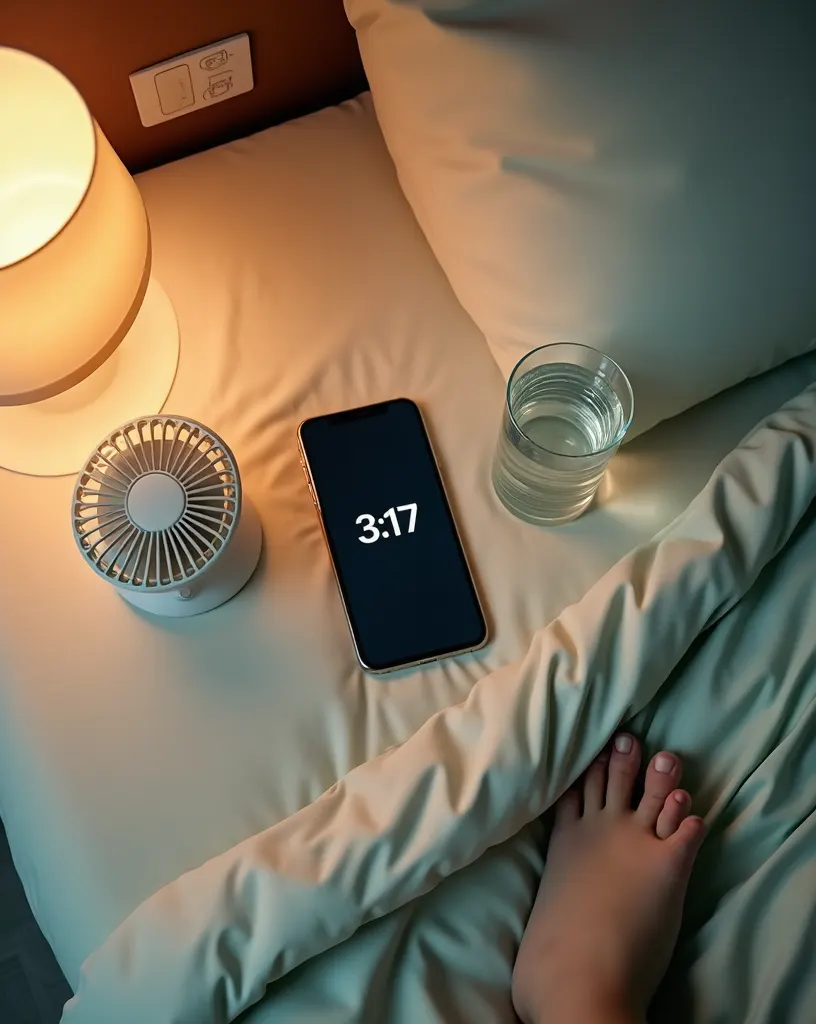
Cougar Puberty Club exists because "perimenopause" sounds like a lab result, and this experience is not a lab result. It's being the only person in the room who is hot. It's the 3:17 a.m. wake-up for reasons unknown. It's a period that has stopped accepting calendar invitations. It's puberty's sequel, and nobody greenlit it.
Why the term exists
The phrase went viral on TikTok as women's way of naming something the clinical language undersells: perimenopause feels a lot like going through puberty again, except this time you also have a job, a to-do list, and strong opinions about bedding.
Now compare the two puberties:
First puberty: you're a teenager, everyone expects chaos, and there's an entire curriculum about it. Someone gives you a book and a talk and a permission slip.
Cougar puberty: you're in your 40s. The changes show up in your sleep, your temperature, your skin, your periods, your moods, and your tolerance for nonsense. And nobody mentioned any of it: not the book, not the talk, not the permission slip.
That gap between how normal this is and how little we talk about it is exactly why the term caught on. It gives the experience a name you can send to a friend. That matters more than it sounds like it matters.
There's also a reframe buried in the name that women have noticed: it turns a transition that gets framed as an ending into something that reads more like a sequel. One of the viral videos put it as "the reset vibe for us rather than the game over." That's the energy we're here for: not decline, a recalibration. Same competent woman, new body terms of service.
What is cougar puberty?
Stripped of the jokes: cougar puberty is perimenopause, the transition before menopause, when your ovaries make changing amounts of estrogen and progesterone and your body does whatever it wants in response Established: NIH MedlinePlus. Menopause is officially reached only after 12 consecutive months without a period; perimenopause is everything leading up to that Established: OWH.
The usual timeline, from the government health sources that track this: it typically starts in the mid-to-late 40s and lasts about four years on average Established: OWH. It can also start earlier for some women; the 30s happen, and ACOG says so plainly Established: ACOG.
None of those numbers are a verdict on you. The range is wide, and the experience varies. An easy transition and a disruptive one are both normal; neither says anything about how well you're handling it.
The starter pack
If you're wondering whether you've entered cougar puberty, you've probably already met some of the starter pack:
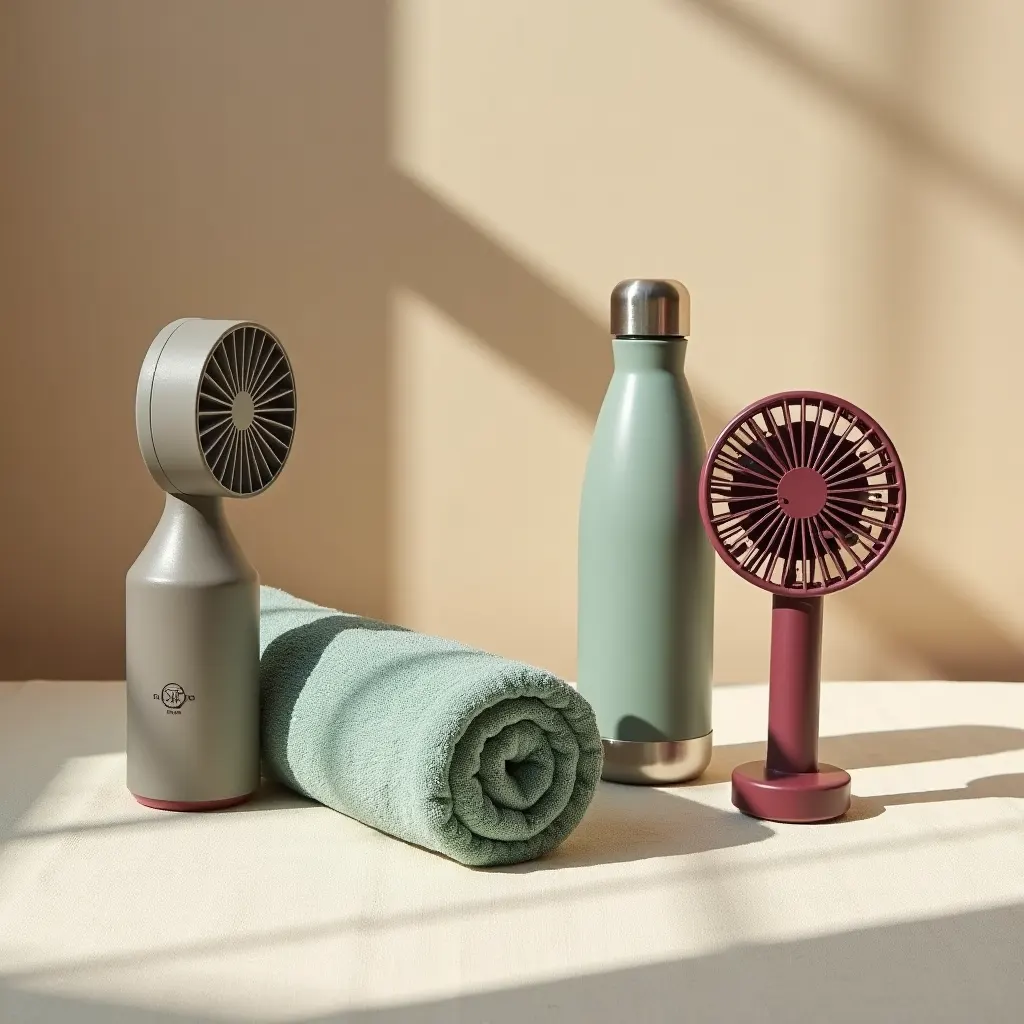
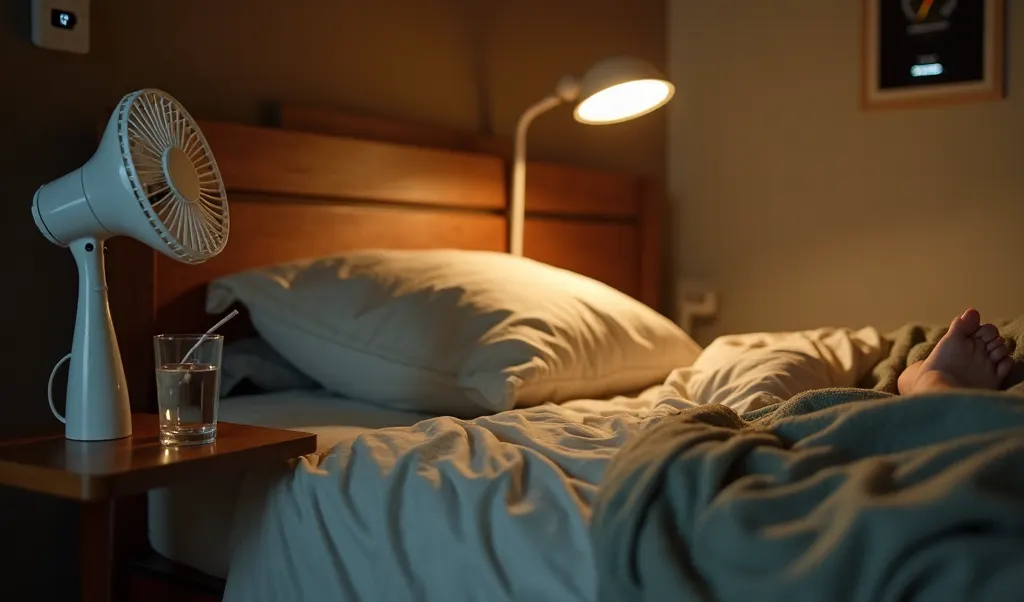
- A tiny fan aimed directly at your face
- The thermostat as a hostage negotiation
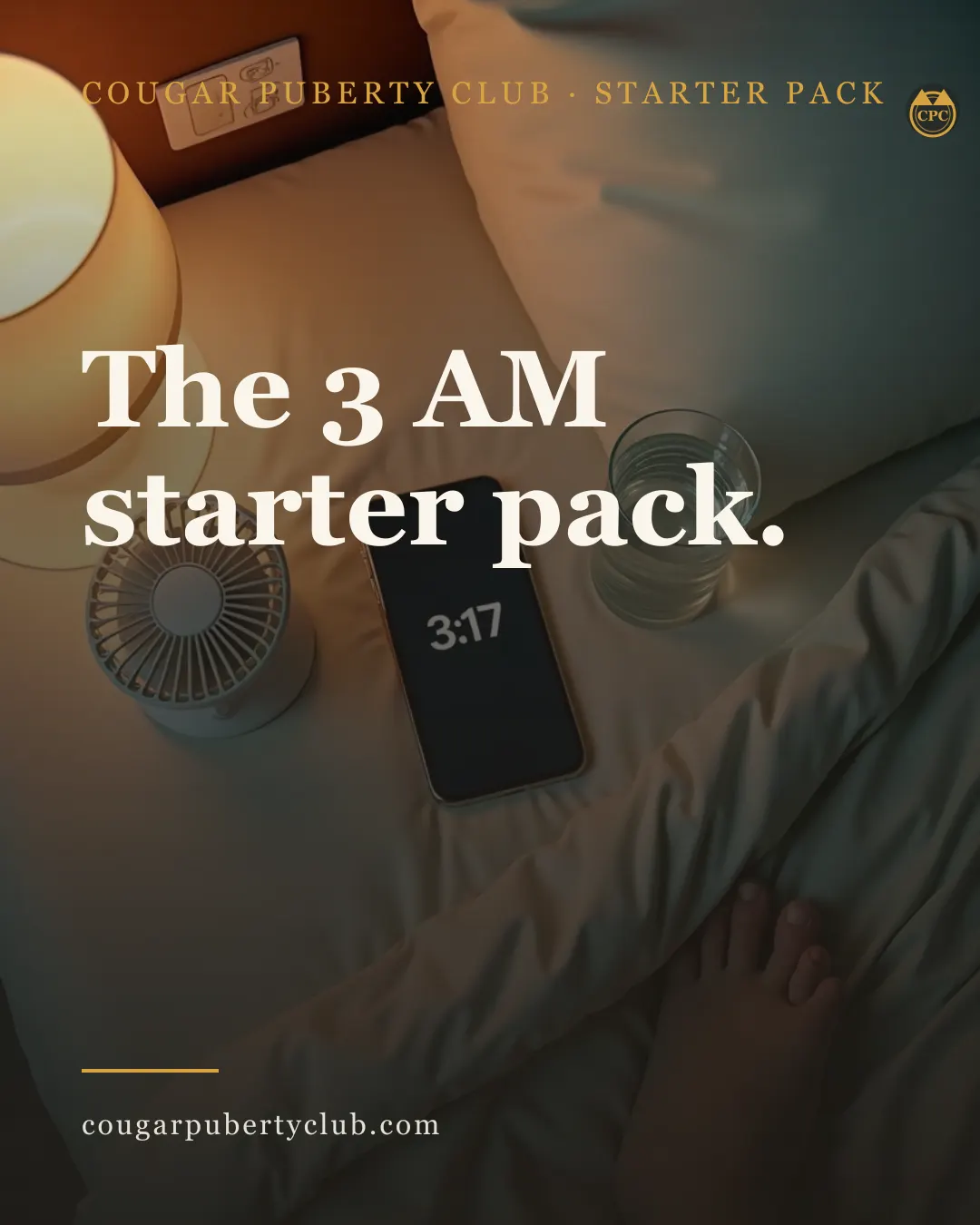
- 3:17 a.m.: awake, for reasons unknown
- One leg out of the covers, always
- A period tracker you're side-eyeing
- Cooling sheets you never expected to care about
See the full Cougar Puberty Starter Pack: it's our signature shareable, and yes, it's basically a checklist.
What's normal (most of it)
Perimenopause is a long list of "wait, that's a thing?" moments. The most common:
Changing periods. Cycles get longer, shorter, heavier, lighter, or just unreliable. Irregular periods are often the first sign of the transition Established: OWH.
Hot flashes and night sweats. A sudden wave of heat in the face, neck, and chest, sometimes with sweating; when it happens in your sleep, it's a night sweat Established: NIH MedlinePlus. Hot flashes are the most common menopause symptom, affecting as many as three out of four women Established: OWH.
Sleep disruption. Waking at 3 a.m. and being unable to get back to sleep is so common it has its own club. The 3 AM Club is real, and you're already a member.
Mood shifts, brain fog, and a shorter fuse. Hormones are not the only reason your mood changes, but they are a reason, and pretending otherwise helps no one. What matters is distinguishing "this is annoying" from "this is not okay" (more on that below).
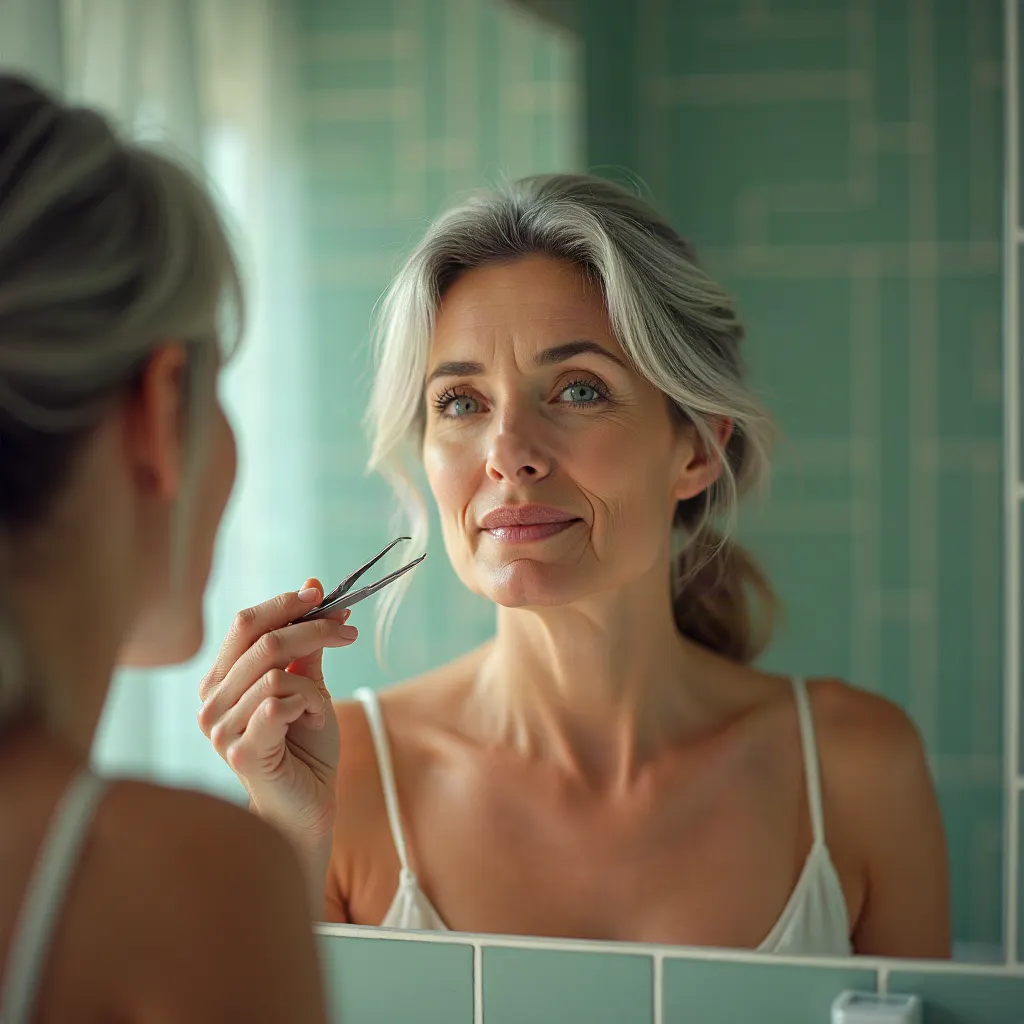
Skin and hair doing something new. The same hormonal shifts that affect your sleep affect your skin's moisture, elasticity, and behavior. Your skin has, in fact, entered the chat.
What deserves medical attention
Fun ends where serious medical risk begins; no jokes on this list:
- Bleeding that's heavy, prolonged, or between periods: any change that soaks through quickly, lasts much longer than usual, or happens outside your normal cycle deserves an assessment. Unexplained bleeding is one of the things clinicians specifically want to hear about.
- Periods much closer together than usual (e.g., more often than every 21 days) or a long gap after a year without one.
- Chest pain, pressure, or racing heart that's new: hot flashes can sometimes be confused with cardiac symptoms; when in doubt, get it checked out.
- Severe depression, anxiety, or thoughts of self-harm: treat this as urgent. Perimenopause can worsen mood disorders, and you deserve real support, not a shrug.
- Any symptom that's new, persistent, and worrying you: that alone is reason enough to talk to a clinician.
The reliable move: write down what you're noticing (duration, timing, pattern) and bring it to an appointment. You don't need to solve the mystery first. More on when to check in →
What actually helps
The good news: most of the experience is manageable, and a lot of it is genuinely fixable.
- Sleep, sorted: the 3 a.m. wake-ups, the one-leg-out ritual, and what to change first.
- The Cool Down: everything for when you're always hot: fans, sheets, pajamas, and the stuff that actually works.
- Hormone therapy questions: what the evidence says, what to ask your clinician, and how to have the conversation instead of nodding along.
- Cooling sheets and cooling pajamas: researched, verdicts included, no miracle claims.
- The 3 AM Club newsletter: the funniest and most useful stuff we found this week about the second puberty. For adults, obviously.
The bottom line
Cougar puberty is real, it's normal, and you are not losing it. Nobody warned us because nobody had a good name for it. Now we do.
If one line from this page felt like it was written about you, send it to the friend who gets it. That's the whole point of the club.
Cougar Puberty Club is a media publication, not a medical practice. This page is not medical advice. Read the medical disclaimer and, for anything that worries you, talk to a real clinician.