On r/Perimenopause, a woman wrote the sentence of the year. Not about a symptom, not about a doctor's appointment, about a wish:
"I would have liked to receive a package on my 40th birthday all about perimenopause."
That's the whole experience in one sentence, isn't it? Nobody warns you. There's no class, no pamphlet, no welcome wagon. Your body starts its second puberty and you're expected to just... figure it out, between the carpool and the spreadsheet.
So consider this the welcome package. It's the shopping list for the box we'd mail every woman on her 40th birthday: the stuff that actually helps, researched the same way we research everything: materials, specs, independent reviews, return policies, and patterns in what real midlife women report. No miracle claims, no "balance your hormones" snake oil, no products that require you to believe in them.
If you want the full medical picture first, start with what perimenopause actually is and the complete symptom list. This page is the other half: the stuff. Because knowing is only half of it; the other half is not waking up soaked at 3 a.m. with nothing to do about it.
Item 1: The fan
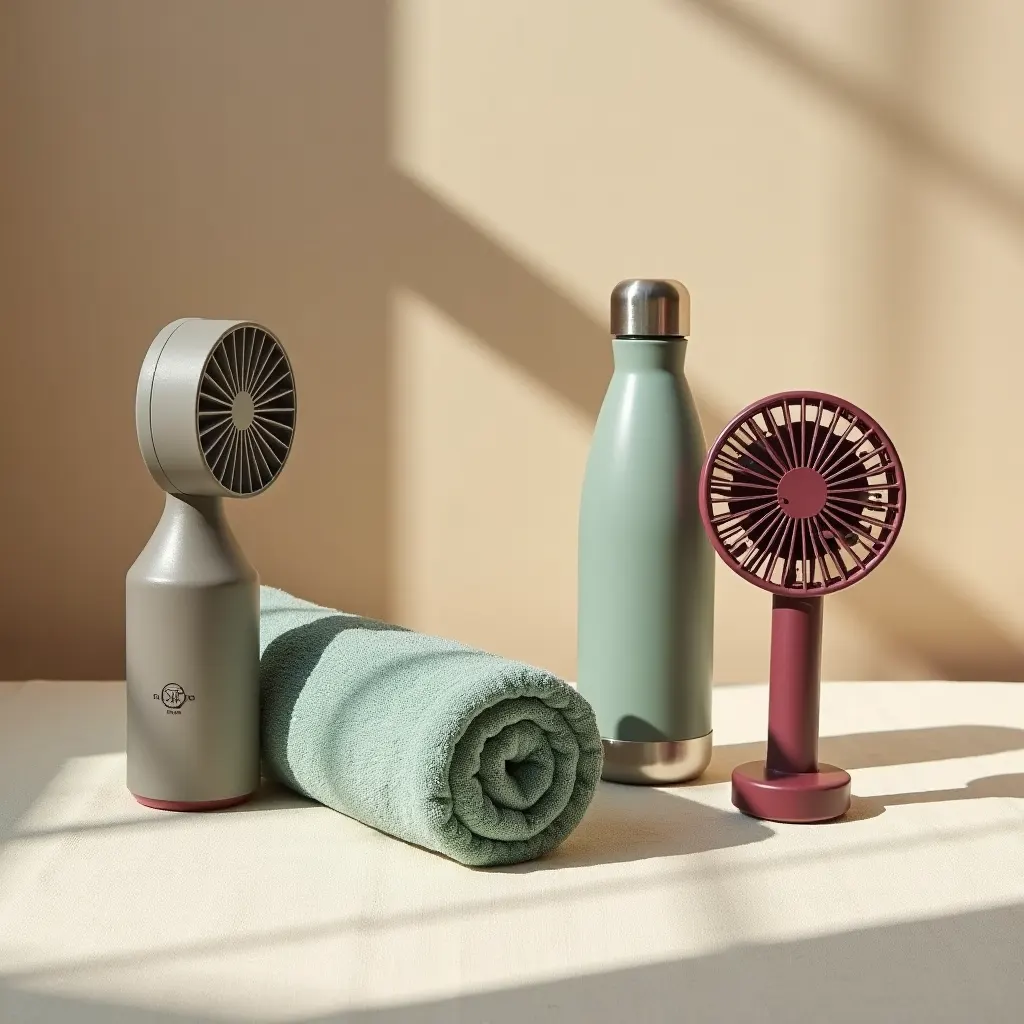
The first thing in the box, and the first thing you'll ever reach for. A small portable or bedside fan is the cheapest, fastest, lowest-commitment intervention in the entire transition, and the most complained-about item by sleeping partners, which means it's doing its job.
Get two. One for the nightstand (aimed at your face, one leg out, the international configuration) and one that lives in your bag for the office/restaurant/movie-theater hot flash. We have the full breakdown in our portable fans guide, but the short version: look for "quiet" and "adjustable" in the reviews, not the marketing copy.
Item 2: The sheets
If you're waking up soaked, the fabric touching your skin is doing you no favors. We have a full cooling sheets guide with the materials science; the short version:
- Weave matters more than thread count. Percale cotton breathes better than sateen. Synthetics like lyocell and bamboo-derived rayon generally regulate temperature better than standard cotton.
- "Cooling" is a marketing term, not a regulated claim. Read what the fabric actually is, and check the return policy.
- The 365-night trial is the real feature. Brooklinen's most useful product might be the return policy: a full year to find out if percale actually helps you sleep cooler.
- Brooklinen percale sheet set, the "best overall" pick in our full guide
- Cooling sheets on Amazon, budget starting points (~$30)
- Cozy Earth bamboo sheets, the splurge option, if you want the one that actually feels cool
Item 3: The pajamas
Here's the thing nobody warns you about: cotton pajamas hold the sweat against your skin and then get cold. That's why you end up shivering in a soaked shirt at 3:30 a.m.; the sheets are only half the equation.
Moisture-wicking sleepwear pulls sweat away from your skin so it can evaporate instead of pooling. Cool-jams built their entire business on this, and the reviews bear it out. Our full pajama guide has the details, including the honest note that some people find wicking fabrics less cozy than cotton; the tradeoff is real.
- Cool-jams sleepwear, purpose-built for night sweats
- Cooling pajamas on Amazon, more options across price points
Item 4: The part nobody warns you about (period products)
The first sign of perimenopause is usually not a hot flash. It's your period going rogue: heavier, closer together, or suddenly a crime scene. Women repeat the same phrase in every thread: "I didn't know it could be this heavy."
There's a real medical threshold here; if you're changing pads every 1–2 hours, passing large clots, or bleeding for more than 7 days, that deserves an ultrasound conversation, not just a bigger pad. Our flooding article explains exactly where the line is and why "get checked for fibroids" repeats in every thread. Read it.
But in the meantime (while you're waiting for that appointment), high-capacity period underwear buys you back some dignity on the heavy days. It's the product category that exists precisely because the old options weren't good enough.
- Period underwear on Amazon, look for "high capacity" or "heavy" in the specs, not just the price
Item 5: The card that says you're not crazy
This is the part of the package that isn't for sale. Every item above is a product; this is a piece of paper that says:
"Your body is changing. It's not in your head, it's not 'just stress,' and you're not falling apart. Here's what's happening, and here's what actually helps. You're not late to this; most of us figured it out in real time, too."
That's the welcome to the club, the things nobody warned us about, and the is-this-perimenopause-or-just-Tuesday field guide. Print them, forward them, put them in the group chat. They're the part of the package that does the actual heavy lifting; the products just make the 3 a.m. wake-ups slightly less ridiculous.
What's not in the pack
- Miracle cures. Anything claiming to "cure" menopause or "balance hormones" in a bottle is not in this box, and we wouldn't link to it.
- $300 bedding as item #1. The fan comes first. Test with a ~$30 set and a generous return policy before you commit to premium sheets.
- Anything that requires mystical language to explain how it works. If the listing needs a paragraph of magic, skip it.
- A diagnosis. This is a starter pack for the common experiences. If something feels off beyond the usual chaos (or you just want to know your options), that's a conversation with a clinician, not a shopping page.
The 15-second summary
| Problem | What helps | Approximate cost | Where to start | |---|---|---|---| | Hot flash at the restaurant | Purse-size fan | ~$15–25 | Portable fans guide | | Waking up hot at 3 a.m. | Bedside fan | ~$20–40 | Browse fans | | Waking up soaked | Breathable percale or wicking sheets | ~$30–170 | Cooling sheets guide | | Pajamas stuck to skin | Moisture-wicking sleepwear | ~$30–60 | Cool-jams | | Heavy, flooding periods | High-capacity period underwear + an ultrasound conversation | ~$25–45 | Flooding article | | "Am I crazy?" | The articles, not the products | free | Welcome |
Where the 3 a.m. crowd goes next
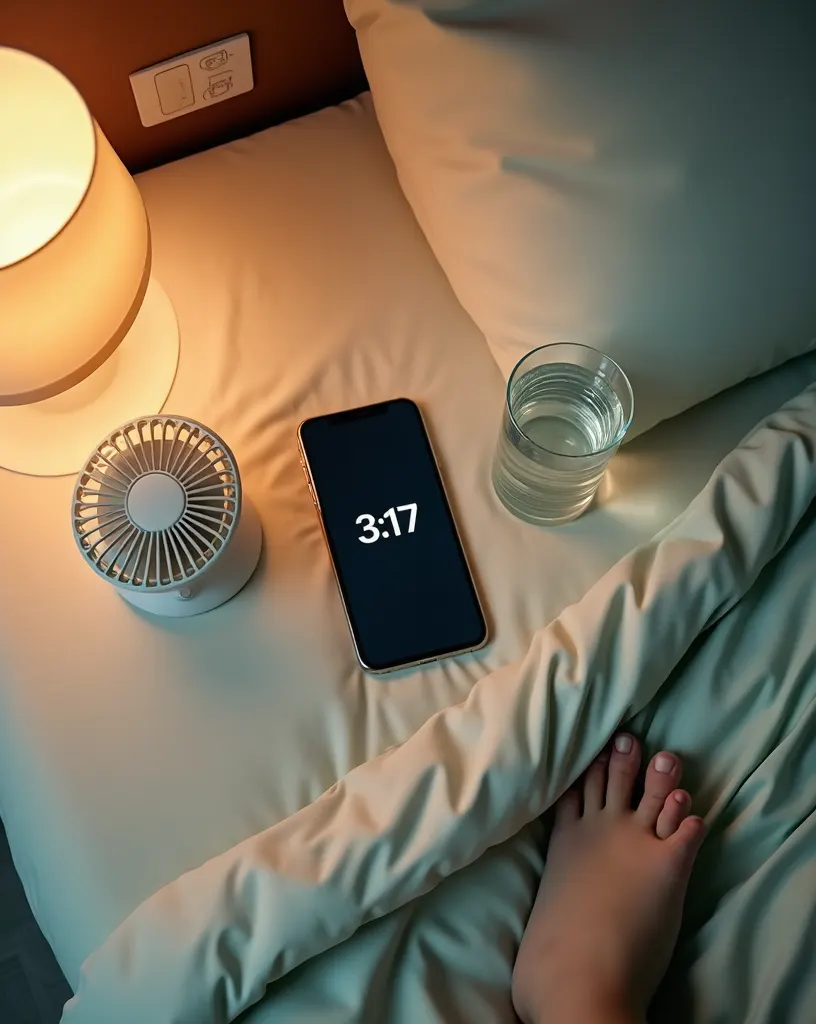
The starter pack is the whole-transition version of our 3 AM Shopping List; that one's specifically for the 3:17 a.m. wake-up problem, and it's shorter. If night sweats are your main event, start there. If you want the full tour of the transition, this is your box.
How we researched this
We did not purchase and test every item ourselves, and we won't pretend otherwise. We compared manufacturer-published specifications, checked independent reviews for consistent patterns (not individual outliers), verified return policies and price ranges, and cross-referenced recommendations with the medical content we cite in our publication guide. Every linked product was selected through this process. Commission never influences what we recommend; see our affiliate disclosure.