The short version: check the room, your schedule, and the things you consume near bedtime. If that is not enough, evidence-based care goes beyond sleep hygiene and is worth discussing with a clinician.
Sleep trouble is one of the most common (and least advertised) features of the transition we call cougar puberty, and it responds better to a plan than to vibes. This is that plan.
This is a troubleshooting sequence, not a requirement to exhaust every home strategy before asking for care. Start with the low-cost changes that fit your life. Keep a short record of what happens. If sleep is severely disrupted, has persisted, or makes daytime activities unsafe, contact a healthcare professional rather than waiting for a self-experiment to work Established: NHLBI.
Step 1: The room
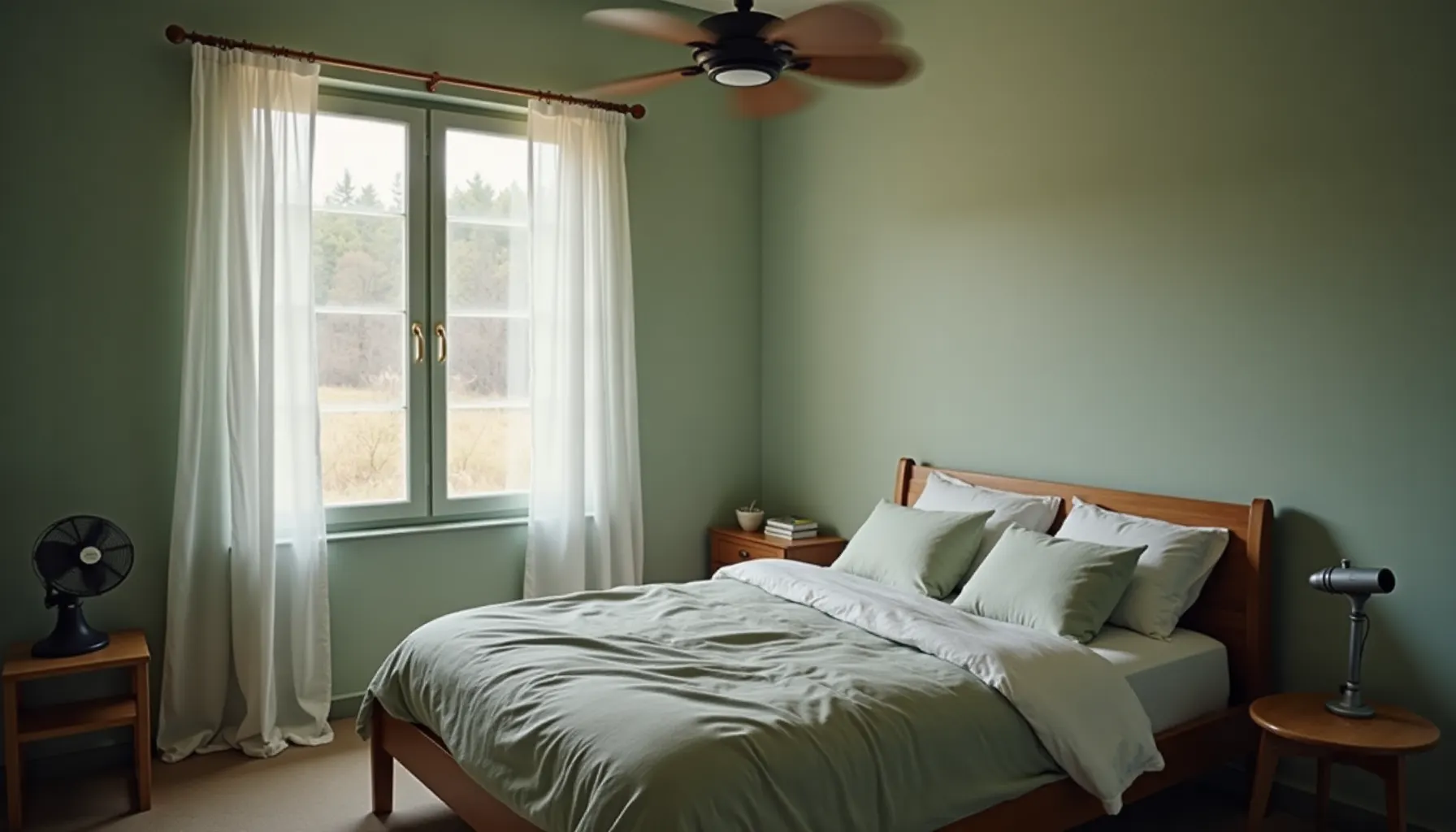
Federal sleep guidance is remarkably consistent here: keep your bedroom quiet, cool, and dark Established: NHLBI. Same line shows up in federal menopause guidance, with the practical add-ons: removable layers, a fan, cold water within reach Established: OWH.
Do the cheap things first: crack the window or run the fan, swap the duvet for layers you can kick off at 3 a.m., and deal with the streetlight. If you are waking up hot, the goal is a room that runs slightly cool for you, whatever that number is; we have more on this in the cool bedroom guide.
Step 2: The schedule
Your body clock rewards boring consistency. The specifics, from NHLBI Established: NHLBI:
- Same bedtime and wake time every day, weekends included; drift by no more than about an hour
- A quiet hour before bed, with bright screens and intense exercise out of it
- Daylight and physical activity during the day
Pick the part you can make consistent first, often the wake time. Do not promise yourself that one perfect week will fix hormonal sleep disruption. The goal is to remove one variable and see the pattern more clearly.
Step 3: The inputs
Caffeine's effects can last up to eight hours; a late-afternoon coffee is a legitimate sleep thief Established: NHLBI. Alcohol before bed and nicotine are both on the avoid list. Heavy meals within a few hours of bedtime too; a light snack is fine Established: NHLBI.
Federal guidance lists spicy foods, alcohol, caffeine, stress, and hot environments as possible hot-flash triggers Established: OWH. Triggers are individual. A brief log can show whether a pattern exists for you; do not turn the list into five permanent restrictions without evidence from your own nights.
Step 4: The daytime
Naps are not forbidden, but keep them short (under 20 minutes, and earlier rather than later) if they interfere with nighttime sleep Established: NHLBI. Get outside during the day, move your body, and use the morning light to anchor your clock.
Step 5: When habits are not enough
Here is the part sleep-hygiene content often skips: cognitive behavioral therapy for insomnia (CBT-I) is strongly recommended for chronic insomnia in adults Established: NCCIH. It is a structured treatment rather than a generic list of bedtime tips. Ask what qualified in-person or digital options are available to you.
For perimenopause specifically, UK guidance considers menopause-specific CBT an option for vasomotor symptoms and the sleep problems that come with them Established: NICE. If night sweats are the main disruption, treatment can target the vasomotor symptoms themselves. Hormone therapy is the most effective treatment for bothersome hot flashes, according to the Menopause Society, and nonhormonal options also exist Established: The Menopause Society. The choice is individual; these questions can prepare you for the discussion.
A short tracking experiment
For one or two weeks (long enough to spot a pattern, not a prescribed treatment duration), try this:
- Keep your wake time as consistent as your responsibilities allow.
- Make the room cool, dark, and quiet; use bedding layers you can remove.
- Note caffeine and alcohol timing rather than guessing later.
- Protect a quieter hour before bed when possible.
- Record bedtime, wake-ups, night sweats, and next-day sleepiness in a few words.
The record will not diagnose anything. It can show patterns and give a clinician a clearer starting point if sleep remains broken.
When to skip the protocol
Persistent sleep problems warrant a conversation with a healthcare professional Established: NHLBI. If you are barely sleeping or so tired that driving, work, or caregiving feels unsafe, skip the experiment and seek care.
- Waking up soaked at 3 a.m.
- The cool bedroom guide
- Sleep & night sweats topic hub
- Sources behind this guide
Shopping for cooling stuff? We've researched cooling sheets and cooling pajamas: honest assessments with no lab pretenses, just the specs, the reviews, and what's worth your money (and what isn't).