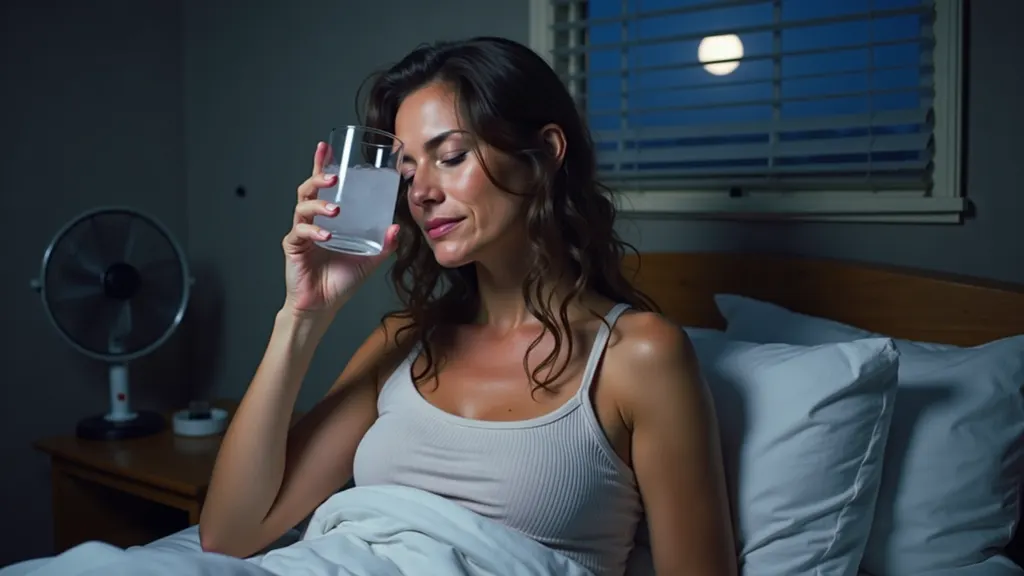
The fan is on. The sheets are cooling. The pajamas wick. And you still wake up at 3:17 a.m. with your back cooking into the mattress like a pancake on a griddle.
If that's you, the mattress itself may be the problem; memory foam in particular is notorious for holding body heat, and a mattress that sleeps warm can undo every other cooling fix you've bought. This guide is the researched answer to the question our 3 AM Shopping List points at when the basics aren't enough: what actually cools the bed itself?
Here's the honest version: mattress cooling is a real category with real differences, and the price range is enormous, from a $40 pad to a $600 active system. The right answer depends on how bad the problem is, which is exactly what this guide helps you figure out.
The short answer: cool the bed, not just the sheets
If you searched for the best active cooling mattress pad for a hot sleeper, read this part before the recommendations. A pad is one layer of four, and on its own it cannot beat a mattress that sleeps hot. The fix works in layers:
- The room. A cool room with moving air does more than any pad, and it costs the least. Fix this first: cool bedroom guide.
- The sheets. Breathable percale or wicking fibers handle the surface your skin actually touches. Cooling sheets →
- The mattress pad. A phase-change or breathable pad sits between you and the mattress and keeps the top surface cooler. It is the cheapest real mattress fix (~$40–90), but it cannot pull heat out of the foam underneath it.
- The mattress itself. If it is memory foam, the foam holds your body heat and no pad fully fixes that. A cooling topper is the next step; replacing the mattress is the last.
If you sleep hot and want to optimize sleep, buy the pad when your mattress surface runs warm; step up to a topper when the mattress sleeps hot even two hours in; go to active cooling only when night sweats keep waking you and nothing passive has worked. And if night sweats regularly soak your bedding, that is a clinician question rather than a shopping one. Our night sweats article covers which signs deserve an assessment.
The three tiers, explained
Cooling pads are the budget tier: a thin layer (often phase-change material or breathable fiber) that sits between your sheets and mattress. They make the surface feel cooler and draw some heat away. They're cheap, easy, and a genuinely useful first step, but they can't overcome a mattress that sleeps hot.
Cooling toppers are the mid tier: a thicker layer of gel-infused or ventilated foam (or a hybrid design) that both adds comfort and reduces heat retention. They change the sleep surface more substantially than a pad. If you like your mattress's support but hate its temperature, a topper is often the sweet spot.
Active cooling systems are the high tier: forced-air systems (like BedJet-style) that blow air under the covers, or water-based systems that circulate cool water through a pad. These actively remove heat rather than just reflecting it. They're the serious solution for serious night sweats, and the serious price tag.
What to look for
Material matters. Phase-change materials (PCMs) absorb and release heat to keep the surface near a target temperature. Gel-infused foam conducts heat away from the body. Breathable/ventilated constructions let air move. Read which mechanism a product actually uses; "cooling" without a mechanism is just a word.
Check how it works with your mattress. Some toppers add significant height and softness; if you need firm support or have a specific mattress type, check compatibility. A topper that changes your mattress's feel too much will get returned.
Return policies are the real feature. Night sweats are personal. A 30-day-plus return window on a $200 topper is worth paying for. Don't buy a high-ticket cooling product without a return policy you can live with.
Active systems are a commitment. They involve a bedside unit, a hose or tubing, and setup. They're wonderful when they work for you, and they're a bigger purchase than a pad. Read the setup experience in reviews before you commit.
Our recommendations
Best Budget: Cooling mattress pad
- Why we picked it: The lowest-risk way to test whether the mattress surface is part of your problem. A phase-change or breathable-fiber pad keeps the surface cooler without changing the feel of your bed.
- What to look for: phase-change material or breathable construction, machine-washable, secure fit for your mattress depth.
- Price: approximately $40–90
- Available at: Mattress cooling on Amazon
- What to know: If the pad alone fixes it, you just saved yourself $300. This is the smart first purchase.
Best Topper: Cooling gel mattress topper
- Why we picked it: For the middle ground: your mattress sleeps warm and you want a real change without a bedside unit. Gel-infused and ventilated designs meaningfully reduce heat retention while adding comfort.
- What to look for: gel infusion or ventilation channels, medium-firm feel (or match your preference), generous return window.
- Price: approximately $80–200
- Available at: Mattress cooling on Amazon
- What to know: This is the category most people should land on: real impact, manageable price, no commitment to a system.
The Serious Option: Active cooling system
- Why we picked it: For genuinely disruptive night sweats where nothing passive has worked, active cooling is the serious answer. Forced-air systems blow air under the covers (which also helps with the "stuffy" feeling); water-based systems cool a pad beneath you. Both actively remove heat.
- What to look for: quiet operation (you're sleeping next to it), temperature control, and (critically) a return policy, because at this price you need to be able to test it.
- Price: approximately $300–600
- Available at: Mattress cooling on Amazon
- What to know: This is the high-ticket end of the 3 a.m. problem. If night sweats are significantly disrupting your sleep, it can be genuinely life-changing, but start with the pad or topper unless you know you need it.
What to skip
- "Cooling" memory foam. Memory foam is the heat-holding culprit in the first place. A "cooling" memory-foam topper that's still mostly memory foam is not solving your problem.
- Miracle claims. Anything promising to "end night sweats" or "cure hot flashes" is not a mattress product. Cooling the bed helps the symptom; it doesn't cure the transition.
- High-ticket purchases without a return policy. At $300+, a no-return cooling system is a gamble you don't need to take.
The 15-second summary
| Situation | What helps | Approximate cost | Where to start | |---|---|---|---| | Mattress surface feels hot | Cooling pad (PCM/breathable) | ~$40–90 | Browse mattress cooling | | Mattress sleeps warm, want a real change | Cooling gel topper | ~$80–200 | Browse mattress cooling | | Night sweats are genuinely disruptive | Active cooling system | ~$300–600 | Browse mattress cooling | | Not sure where to start | Full 3 a.m. setup | varies | 3 AM Shopping List |
How this fits the whole setup
Mattress cooling is the final layer of the 3 a.m. problem: the fan handles the air, the sheets handle the fabric, the pajamas handle the skin, and the mattress handles the surface you're lying on. If you've done the first three and you're still waking up hot, this is the layer you're missing. And if night sweats are soaking your bedding regularly, that's worth a clinician conversation too, our night sweats article covers which signs deserve an assessment.
How we researched this
We did not sleep on every product ourselves, and we won't pretend otherwise. We compared manufacturer-published specifications (materials, mechanisms, dimensions), reviewed independent feedback for consistent patterns rather than individual outliers, and verified price ranges and return policies. Commission never influences what we recommend; see our affiliate disclosure.