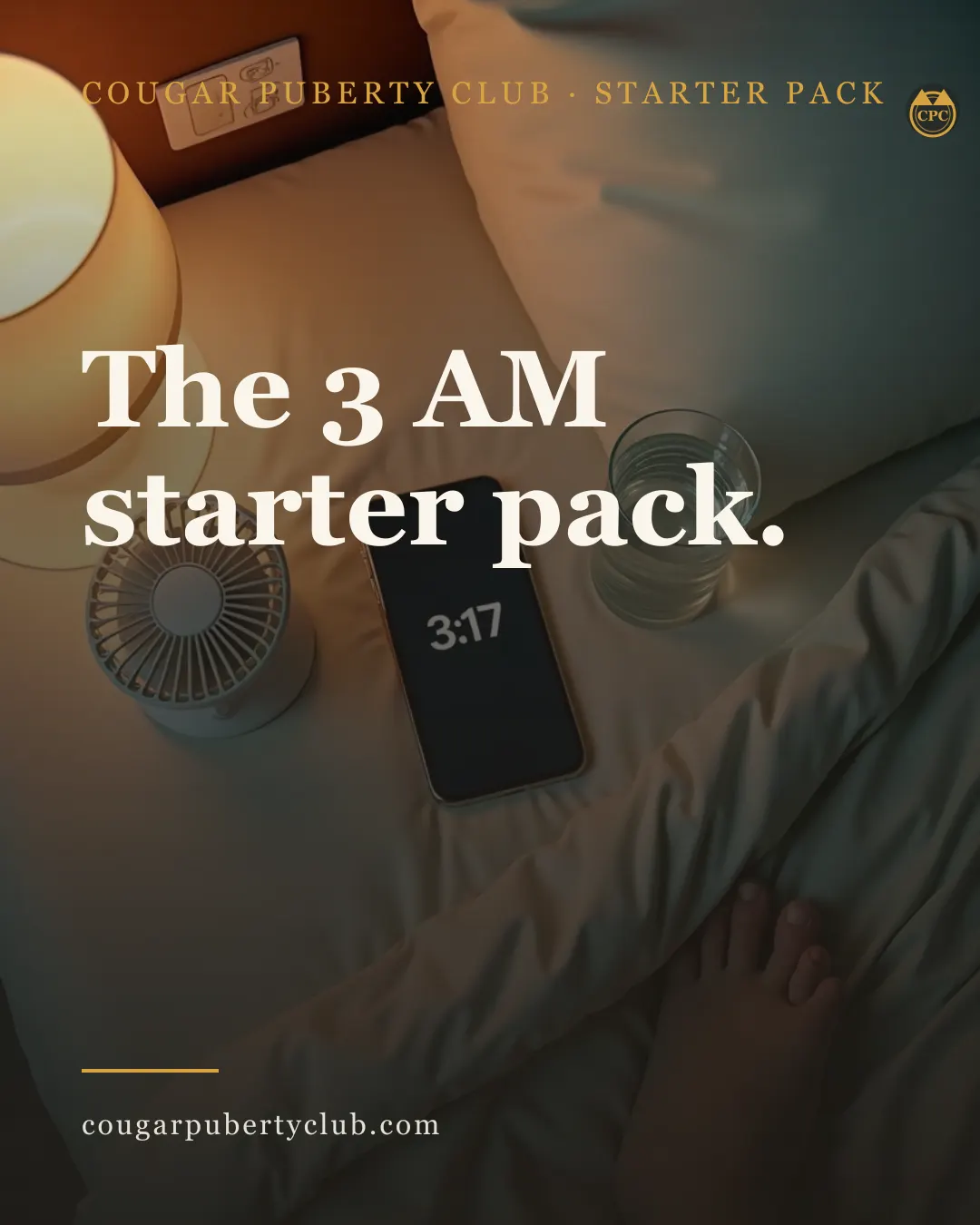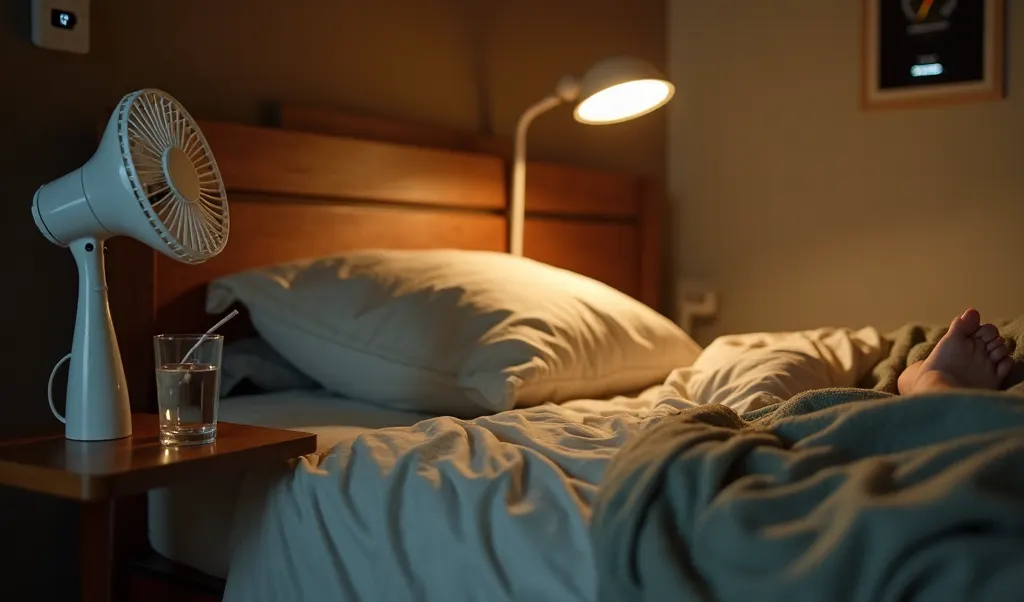
Every club needs a starter pack. Ours comes with one leg out of the covers, a fan aimed directly at your face, and a phone that says 3:17 AM for no reason you can identify.
This is the complete inventory of the 3 a.m. experience: the stuff nobody warned us about, the stuff that's actually normal, and the stuff that helps. If you haven't read the full cougar puberty explainer yet, that's your orientation. This is your supply list. Send it to the friend who's also awake right now.
The starter pack checklist
Screenshot this. Compare. Report back.
- ✅ One leg out of the covers: the international symbol of perimenopause. Temperature regulation is no longer a setting; it's a negotiation.
- ✅ A tiny fan aimed at your face: six inches away, maximum power, zero shame.
- ✅ Phone: 3:17 AM: you are not sure why you're awake. Neither is your phone.
- ✅ The thermostat as a hostage negotiation: it's 68 and you're sweating; your partner is under a duvet and shivering. This is not resolvable tonight.
- ✅ Google search history getting increasingly specific: "night sweats perimenopause," then "night sweats cancer," then "night sweats perimenopause again."
- ✅ A partner sleeping peacefully: sometimes snoring, always oblivious. You love them. You may also want to smother them with a pillow. This is normal and you are a good person.
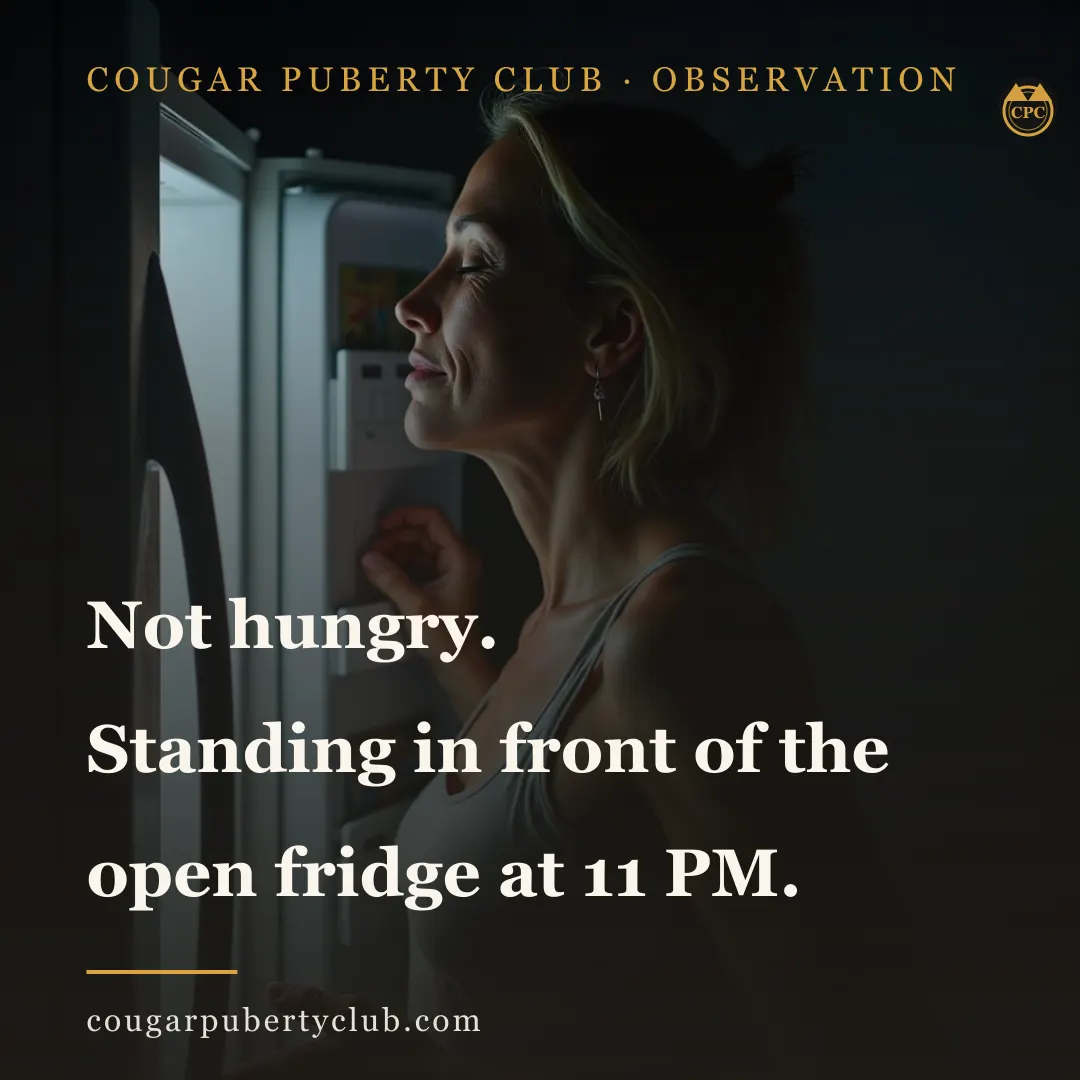
- ✅ The kitchen reset: 11 p.m. fridge visit. Not hungry. Just searching.
If you checked five or more: welcome to the club. Membership is free and includes a newsletter. The 3 AM Club.
Why 3 a.m. specifically
Here's a comforting fact: you are not alone in the 3 a.m. window, and the timing is not random. Night sweats are hot flashes that happen while you sleep: a sudden wave of heat in the face, neck, and chest, sometimes with enough sweating to soak your nightclothes or bedding even in a cool room Established: NHS. When a flash or a temperature swing interrupts your sleep cycle, you surface into that foggy 3 a.m. brain, the one that revisits 2007 and every mildly embarrassing thing you've ever said.
The good news: for most women this is perimenopause, not an emergency Established: The Menopause Society. The brain-revisits-2007 part, unfortunately, appears to be included at no extra charge.
What actually helps (the bridge to a better night)
The starter pack is a description, not a prescription. Here's the part where we fix things:
The environment first. Cool room, lightweight layers you can kick off, and a small fan aimed at the bed. Sheets help, but environment matters more; the full rundown is in the cool bedroom guide.
The bedding upgrade. If your bed currently feels like a swamp, start here: cooling sheets and cooling pajamas, researched with verdicts, no miracle claims. Our short version: percale cotton or bamboo-derived fabrics, a return policy you can live with, and a $30 test set before you spend $300.
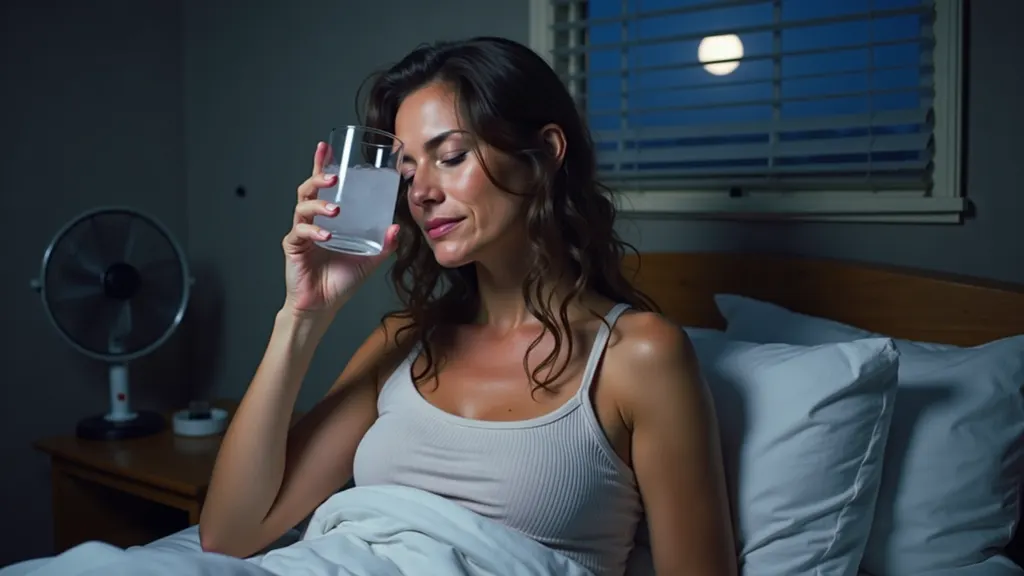
The 3 a.m. reset protocol. When you're up: don't fight it in bed. Ice water, a trip to the bathroom, a fan adjustment, and a boring task for ten minutes. The kitchen reset is a valid coping strategy; just don't make it a snack run.
The sleep troubleshooting guide. If the wake-ups are wrecking your weeks, work through perimenopause sleep troubleshooting, which is the methodical version of this page.
When it's not just the starter pack
No jokes on this list:
- Sweating soaked (enough to change your nightclothes and flip the pillow) in a cool room, frequently: get it assessed Established: NHS.
- Night sweats with fever, cough, or unexplained weight loss: that's a different conversation than perimenopause. Call your clinician.
- Chest pain, pressure, or a racing heart that's new: hot flashes can be confused with cardiac symptoms. When in doubt, get it checked.
- Sleep disruption with severe low mood, anxiety, or thoughts of self-harm: treat this as urgent and get real support.
Bring a list to your appointment: how often, how soaked, what time, what helps. You don't need the diagnosis; you need the conversation. What's worth checking in about →
The bottom line
The 3 a.m. starter pack is one of the most normal things about the second puberty, and one of the most fixable. You're not losing it. Your body is just running a new operating system, at night, without the courtesy of a changelog.
Save this page. Send it to Sarah. Then go buy the fan.
Cougar Puberty Club is a media publication, not a medical practice. This page is not medical advice. Read the medical disclaimer and talk to a real clinician about anything that worries you.